
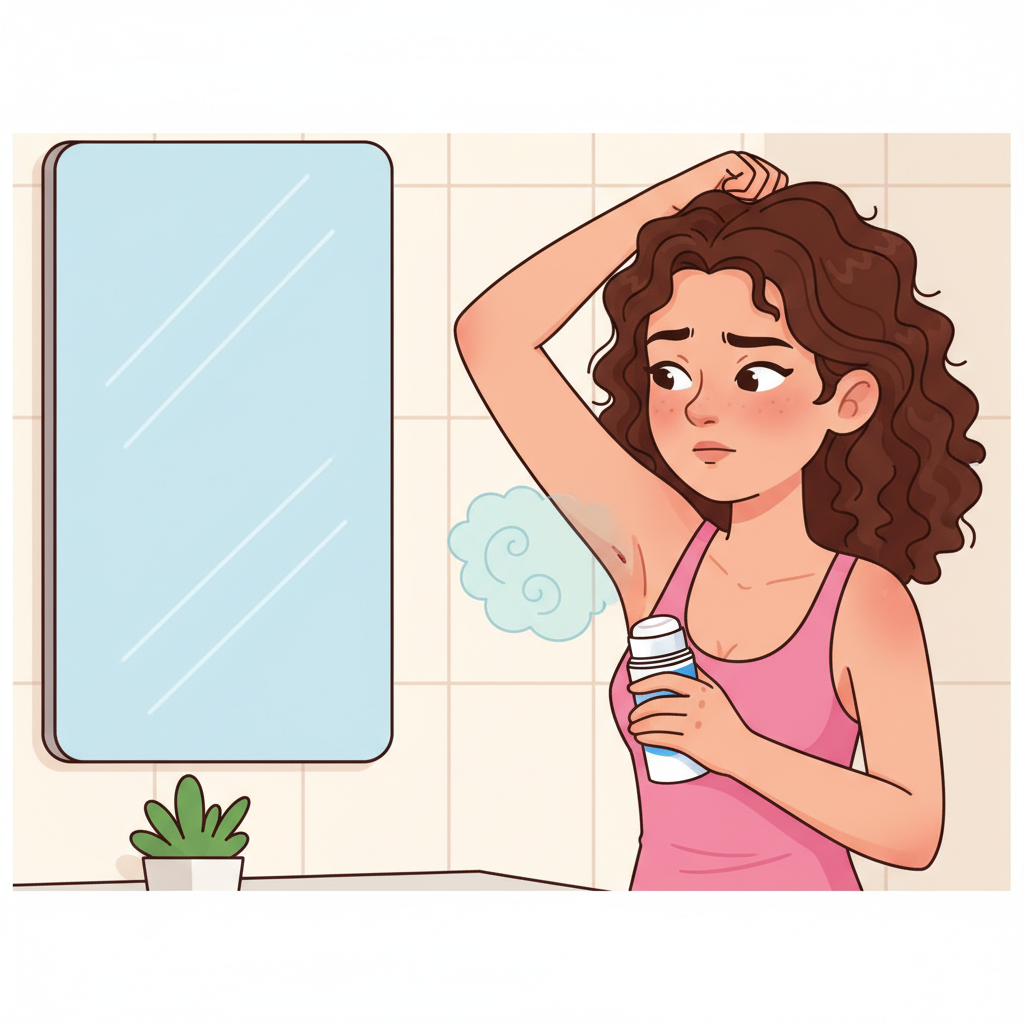
Ever noticed your favorite deodorant just… stop working? 😕
You apply it like always, but halfway through the day, odor sneaks in. Before you assume it’s time to toss it, here’s what might really be going on and how to fix it.
🧪 1. Your Skin’s pH May Be Out of Balance
Your underarm’s natural pH is slightly acidic, which helps keep odor-causing bacteria in check. But soaps, shaving, or even some deodorants can make it too alkaline. When that happens, bacteria thrive and no amount of deodorant can mask it.
Fix it:
- Switch to a gentle, pH-balanced cleanser.
- Use natural ingredients like apple cider vinegar (diluted) once a week to help restore balance.
- Avoid over-washing, which can strip the skin’s protective barrier.
🧴 2. Product Buildup on Your Skin
Antiperspirants contain aluminum salts that form a temporary plug in your sweat ducts. Over time, residue can build up and block your skin from breathing properly — making deodorant less effective.
Fix it:
- Try an “armpit detox” once in a while a simple clay mask can draw out buildup and reset your skin.
- Exfoliate gently with a mild scrub or washcloth 2–3 times per week.
- Make sure your underarms are completely dry before reapplying deodorant.
🧬 3. Hormonal Changes
Hormones affect more than mood they can also change how and how much you sweat. Puberty, menstruation, pregnancy, and menopause can alter body odor and the effectiveness of deodorant.
Fix it:
- Stay hydrated to dilute sweat concentration.
- Consider switching formulas (for example, from regular to clinical-strength deodorant).
- Use natural fabrics that allow your skin to breathe.
💧 4. Changes in Sweat Composition
What you eat, drink, or the medications you take can affect how your sweat smells. Foods rich in sulfur (like onions and garlic), high stress levels, or dehydration can all make odor stronger making it seem like your deodorant isn’t working.
Fix it:
- Eat a balanced diet and stay hydrated.
- Reduce caffeine and alcohol, which can increase sweating.
- Wash your underarms after intense activity before reapplying deodorant.
🌿 5. You Might Just Need a New Formula
Sometimes, your skin simply adapts. After long-term use, your body’s microbiome (the bacteria living on your skin) changes and the same deodorant might no longer balance it.
Fix it:
- Alternate between two deodorants every few months.
- Try one with different active ingredients for example, switch from baking soda–based to magnesium-based.
- Avoid heavily fragranced products if irritation appears.
🧘♀️ The Takeaway
Your deodorant didn’t fail overnight your body just changed a little. Understanding your skin’s chemistry and adjusting your care routine can help you stay fresh naturally.
🔬 Sources:
- Cleveland Clinic –
“Why Your Deodorant Stops Working — and What to Do”
(Explains how skin bacteria, hormonal changes, and buildup affect deodorant effectiveness.) - Healthline –
“Why Does My Deodorant Stop Working?”
(Covers pH changes, sweat composition, and skin microbiome adaptation.) - Medical News Today –
“How to Restore Skin pH Balance”
(Details about skin acidity, washing habits, and gentle cleansing methods.) - Dermatology Times –
“Understanding the Skin Microbiome and Its Role in Odor”
(Discusses how bacterial balance impacts odor and deodorant performance.) - American Academy of Dermatology (AAD) –
“Tips for Managing Sweat and Odor”
(Includes dermatologist-approved ways to control odor and maintain underarm hygiene.) - National Institutes of Health (NIH) –
“Skin Surface pH: Why It Matters”
(Scientific explanation of skin pH and its link to bacterial growth and irritation.)
Leave a Reply